Christmas Foods That Are Dangerous for Dogs and Cats
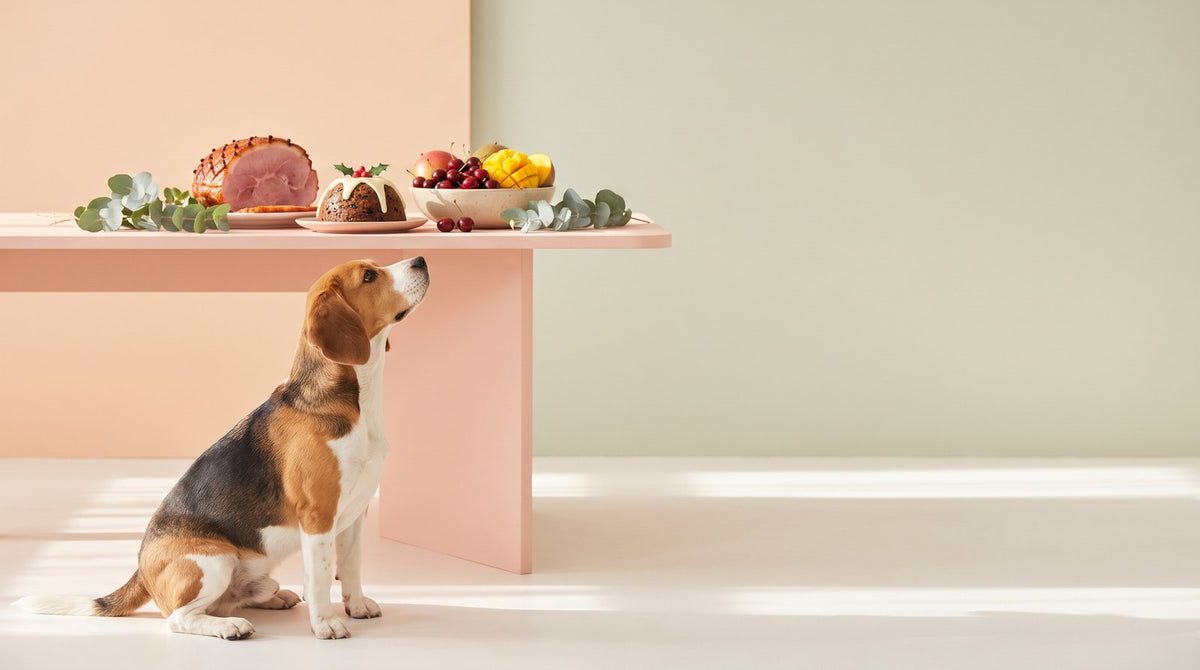
Christmas lunch is a highlight of the Aussie summer, but many festive favourites are dangerous for pets. Here is what to keep off the menu and what to do if your pet gets into something.
Vets across Australia see a jump in emergencies over the Christmas and New Year period. Rich food, busy homes, visitors and unattended plates are a risky mix for curious pets. Knowing which foods are dangerous makes it much easier to keep everyone safe.
Foods to keep away from pets
Christmas pudding, fruit cake and mince pies
These contain grapes, raisins, sultanas and currants, which can cause sudden kidney failure in dogs. Even small amounts can be dangerous for some dogs, and there is no known safe amount. Many puddings also contain alcohol.
Chocolate
Chocolate contains theobromine, which is toxic to dogs and cats. Dark and cooking chocolate are the most dangerous. Signs include vomiting, restlessness, a racing heart, tremors and seizures. Keep chocolate gifts off low tables and out from under the tree.
Ham, pork crackling and fatty leftovers
Rich, fatty and salty foods such as Christmas ham can trigger pancreatitis, a painful and sometimes serious inflammation of the pancreas. Vets see many cases over the holidays. Signs include vomiting, a painful belly, diarrhoea and lethargy.
Cooked bones
Cooked ham bones, turkey and chicken bones can splinter and cause choking, injuries to the mouth and gut, or blockages. Wrap them and put them straight in an outside bin.
Onions, garlic, leeks and chives
Common in stuffing, gravy, sauces and many leftovers, these can damage red blood cells in dogs and especially cats.
Macadamia nuts
Macadamias can cause weakness, wobbliness, tremors and fever in dogs.
Xylitol
This sweetener is found in some sugar-free lollies, gum, baked goods and peanut butters. It is extremely dangerous for dogs, causing a sudden drop in blood sugar and potentially liver damage.
Alcohol
Even small amounts can be dangerous for pets. Keep drinks off low tables and clear up glasses after the party.
Mouldy food and bin scraps
Leftovers that have gone mouldy in the heat can contain toxins that cause tremors and seizures. Keep bins securely closed.
Decorations and plants
- Lilies are extremely toxic to cats. Every part of the plant, including the pollen and vase water, can cause kidney failure.
- Tinsel, ribbon and string can cause life-threatening blockages, especially in cats.
- Glass baubles can break and cut paws and mouths.
- Batteries from new toys and gadgets can cause serious burns if chewed.
- Fairy light cables are a chewing hazard for puppies and kittens.
Tips for a pet-safe Christmas lunch
- Ask guests not to feed pets from the table, and tell kids too.
- Keep food off low tables and benches where pets can reach.
- Give your pet their own treat, such as their usual food in a puzzle toy, so they are busy while you eat.
- Clear plates promptly and take the rubbish outside.
- Give anxious pets a quiet room away from the crowd.
- Keep gates and doors closed as guests come and go.
What to do if your pet eats something toxic
- Stay calm and remove any remaining food.
- Work out what and how much your pet ate, and when. Keep the packaging.
- Call your vet or an emergency vet straight away, even if your pet seems fine. Many toxins take hours to cause signs, and early treatment works best.
- Do not try to make your pet vomit unless a vet tells you to.
Before the holidays, check your vet's holiday hours and save the number of your nearest 24-hour emergency vet.
Going away for Christmas?
If your cat is staying home while you travel, our Christmas checklist for cats home alone covers water, food and safety in the summer heat.
Safe treats for the holidays
Your pet does not have to miss out. Instead of table scraps, try:
- Their usual food served in a puzzle feeder or frozen in a lick mat
- Commercial pet treats made for dogs or cats
- A long-lasting chew to keep dogs busy during lunch
- Small pieces of plain cooked chicken breast, with no skin, bones or seasoning, in moderation
Introduce anything new in small amounts, as sudden rich food can upset sensitive stomachs.
New Year's Eve and summer barbecues
The same rules apply to barbecues and New Year's Eve parties: keep skewers, corn cobs, bones and fatty scraps out of reach, watch the bins, and make sure gates stay closed. Fireworks can also frighten pets into escaping, so check our guide to helping a dog scared of fireworks.
Signs your pet may have eaten something toxic
- Vomiting or diarrhoea
- Restlessness, panting or a racing heart
- Trembling, wobbliness or seizures
- Drooling or pawing at the mouth
- A painful or swollen belly
- Lethargy or collapse
Some toxins, such as grapes and xylitol, may not cause signs for hours. Do not wait for symptoms. If you know or suspect your pet has eaten something dangerous, call your vet straight away.
Frequently asked questions
Can my dog have a little ham at Christmas?
It is best not to. Ham is very fatty and salty, and even a small amount can trigger pancreatitis in some dogs.
Are cherries and mangoes safe?
The flesh in small amounts is not usually a problem for dogs, but stones and pits are a choking and blockage risk, and cherry pits contain compounds that can be toxic. It is safest to keep stone fruit away from pets.
My dog ate a grape. Should I worry?
Yes. Call your vet straight away. There is no known safe amount of grapes or raisins for dogs.
This guide is general information, not veterinary advice. If you're worried about your pet's health, please contact your vet.