Why Is My Cat Drinking So Much Water? 7 Causes to Know
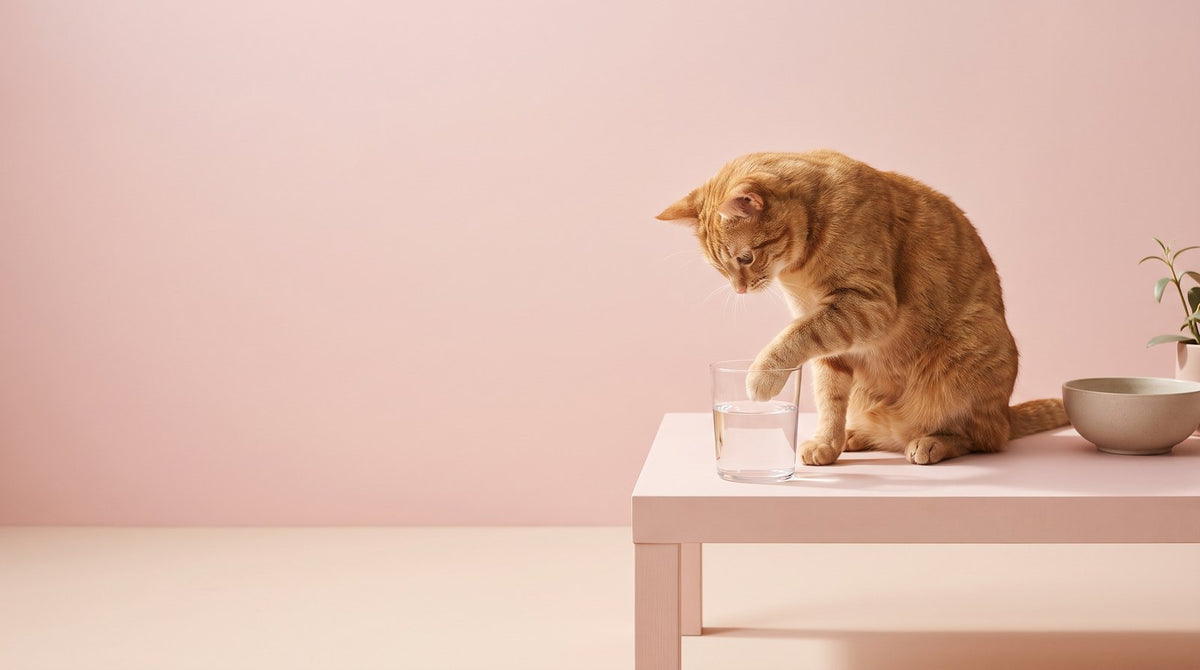
A cat that suddenly drinks more water is telling you something. Sometimes it is the weather or a diet change, but it can also be an early sign of a health problem worth checking.
Most cats are light drinkers, so if you notice your cat at the water bowl much more often, or you are refilling it far more than usual, it is worth paying attention. Increased thirst, which vets call polydipsia, can have simple explanations, but it is also an early sign of several common health conditions.
This guide is general information, not a diagnosis. If your cat is drinking more than usual, please see your vet.
How much is too much?
Most healthy cats need roughly 40 to 60 ml of water per kilogram of body weight per day, including the water in their food. Vets generally consider drinking of around 100 ml per kilogram per day or more to be excessive. For a 4 kg cat, that is around 400 ml a day from the bowl, which is a lot for a cat.
You do not need exact numbers to notice a change. Emptier bowls, bigger or more frequent clumps in the litter tray, or a cat that suddenly drinks from taps, sinks and glasses are all clues.
1. Hot weather
Cats drink more in summer, especially during heatwaves. This is normal, as long as your cat is otherwise well and the increase settles when the weather cools.
2. A change in diet
Switching from wet food to dry food means your cat gets much less water from meals and has to drink more to make up the difference. Salty treats can also increase thirst.
3. Chronic kidney disease
Kidney disease is one of the most common causes of increased thirst in older cats. Damaged kidneys cannot concentrate urine, so cats lose more water and drink more to compensate. Other signs include weight loss, a poor appetite and a dull coat. Read more in our guide to kidney disease in cats.
4. Diabetes
Diabetes is more common in overweight and middle-aged to older cats. Signs include drinking and urinating more, an increased appetite, and weight loss. Some cats walk differently, with their hocks lower to the ground. Diabetes is very treatable with early diagnosis.
5. Hyperthyroidism
An overactive thyroid is common in senior cats. Signs include weight loss despite a big appetite, increased thirst, restlessness, vomiting and a poor coat. It can be managed with medication, diet or other treatments.
6. Urinary tract problems
Infections and other urinary problems can change drinking and toileting habits. Watch for straining in the litter tray, frequent small amounts of urine, blood in the urine, or urinating outside the tray. A male cat straining with little or no urine coming out is an emergency.
7. Medications and other conditions
Some medications, including steroids, can increase thirst. Liver disease and other less common conditions can also cause it. Tell your vet about any medications your cat is taking.
What to do
- Keep water available at all times. Never restrict water for a cat that is drinking more. They may need it.
- Measure it if you can. Fill the bowl with a measured amount, place an identical bowl out of reach to account for evaporation, and check the difference after 24 hours.
- Note other changes in appetite, weight, energy, vomiting or litter tray habits.
- Book a vet visit. Your vet will usually check blood and urine to look for the cause.
- Collect a urine sample if asked. Your vet can give you non-absorbent litter to make this easier.
When to see the vet urgently
- Your cat is not eating, or is vomiting repeatedly
- Your cat is lethargic, weak or hiding
- A male cat is straining to urinate
- Your cat has lost a lot of weight quickly
Supporting hydration while you find out
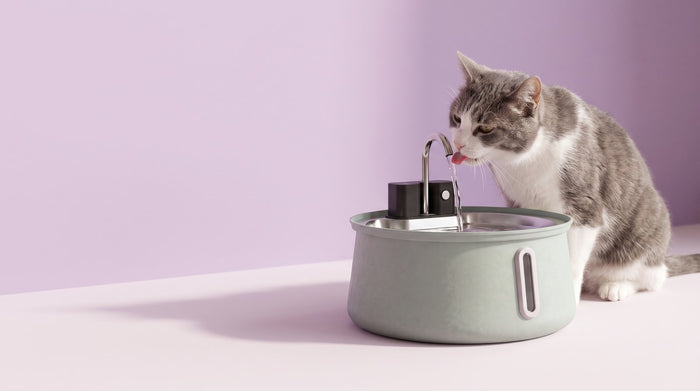
Keep fresh, cool water in several places around the house, offer wet food if your cat eats it, and keep your cat cool in hot weather. A fountain is a convenient way to offer fresh, moving water, but the most important step is finding out why your cat is thirstier than usual.
What your vet will check
At the appointment, your vet will usually ask about your cat's drinking, appetite, weight and litter habits, then examine your cat. Common tests include:
- Blood tests for kidney function, blood sugar, thyroid hormone and liver values
- A urine test to check concentration, glucose, protein and signs of infection
- Blood pressure, which is often high in cats with kidney or thyroid disease
Bringing notes about how much your cat drinks, when the change started, and any other changes you have noticed makes the visit more useful.
Keeping a simple health diary
Write down your cat's weight each month, and jot down any changes in drinking, eating, vomiting or litter tray habits. Small changes are much easier to spot over time on paper than from memory, and they help your vet catch problems early.
Is it the season or something more?
A useful question is whether the change makes sense. A cat that drinks a bit more during a heatwave, after a switch to dry food, or after a long play session, and is otherwise bright and eating well, is probably responding normally. A cat that drinks more week after week, whatever the weather, especially with weight loss or appetite changes, needs a vet check. If in doubt, check. Early diagnosis makes most of these conditions easier to manage.
Frequently asked questions
My cat drinks from the tap. Is that a sign of illness?
Not necessarily. Many healthy cats prefer running water. But if it is a new habit and your cat is drinking more overall, it is worth a check.
Should I give my cat less water if they are urinating a lot?
No. Never restrict water. Cats with conditions such as kidney disease rely on drinking more to stay hydrated.
How quickly should I see a vet?
Within a few days for a gradual increase in an otherwise well cat, and the same day if your cat seems unwell.
This guide is general information, not veterinary advice. If you're worried about your pet's health, please contact your vet.