Kidney Disease in Cats: Signs, Diagnosis and Why Hydration Matters
Chronic kidney disease is one of the most common conditions in older cats. Early signs are easy to miss, and good hydration is an important part of supporting a cat with kidney disease.
Chronic kidney disease (CKD) is one of the most common health problems in senior cats. It usually develops slowly over months or years, and the early signs are easy to miss. The good news is that with early diagnosis and good management, many cats with CKD live comfortably for years.
This guide is general information. If you are worried about your cat, please see your vet.
What the kidneys do
The kidneys filter waste from the blood, balance fluids and minerals, help control blood pressure, and produce hormones that support red blood cell production. When kidney function declines, waste builds up in the blood and the body struggles to hold on to water.
Which cats are affected?
CKD can affect cats of any age, but it is much more common in older cats, and it becomes more likely with every year after middle age. Some breeds, such as Persians, are predisposed to inherited kidney conditions.
Early signs to watch for
- Drinking more water than usual
- Urinating more, with larger clumps in the litter tray
- Weight loss, even if your cat is still eating
- A reduced or fussy appetite
- A dull or unkempt coat
- Occasional vomiting
- Bad breath
- Lethargy or sleeping more
Because cats compensate well, many of these signs only appear once a large part of kidney function has already been lost. That is why regular senior check-ups matter.
How vets diagnose kidney disease
Your vet will usually examine your cat and recommend:
- Blood tests to measure waste products and markers of kidney function, such as creatinine and SDMA
- A urine test to check how well the kidneys concentrate urine, and to look for protein or infection
- Blood pressure measurement, as high blood pressure is common with kidney disease
Many vets recommend yearly blood and urine tests for cats from around seven or eight years of age, and more often for older cats. These can pick up kidney changes before your cat shows signs.
How CKD is managed
CKD cannot be cured, but its progression can often be slowed and symptoms managed. Depending on the stage, your vet may recommend:
- A prescription kidney diet
- Medications to control blood pressure, protein loss, nausea or appetite
- Supplements such as phosphate binders
- Fluid therapy, sometimes given at home under the skin
- Regular monitoring with blood and urine tests
Always follow your vet's advice. Treatment is tailored to each cat.
Why hydration matters
Cats with CKD lose more water through their urine because their kidneys cannot concentrate it properly. That makes them prone to dehydration, which can make them feel worse. Supporting good water intake is one of the simplest things owners can do at home, alongside the treatment your vet prescribes.
Practical ways to help your cat drink more
- Feed more wet food, if your vet agrees, including any prescription wet diet.
- Add a little warm water to wet food.
- Offer several water stations around the house.
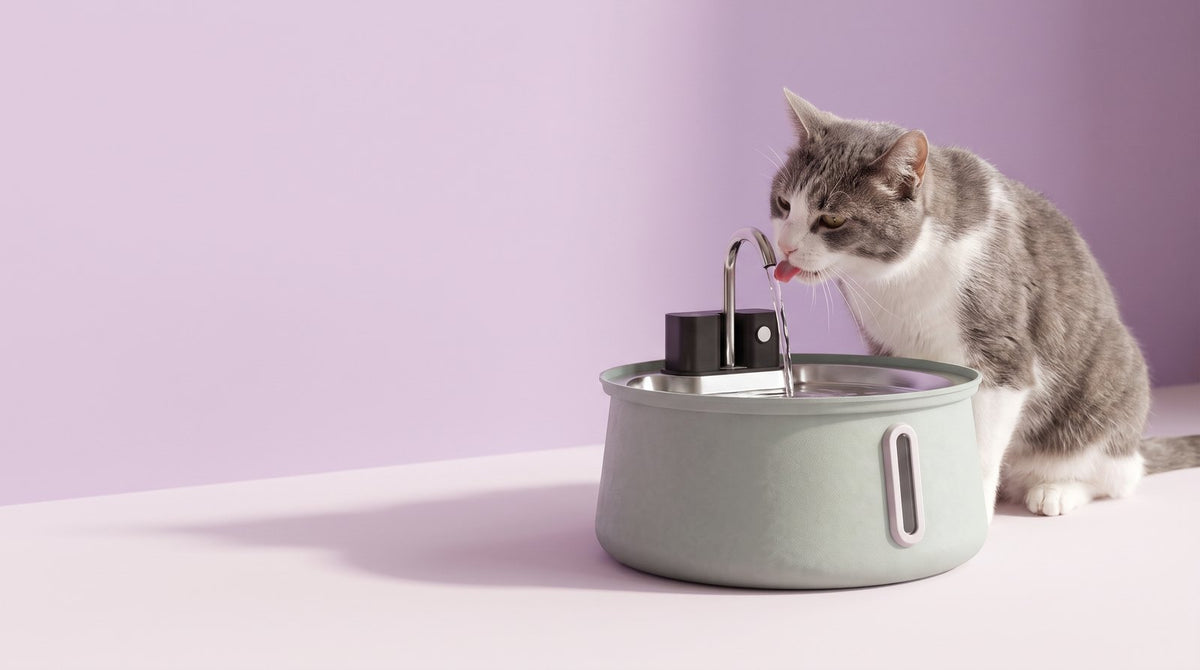
- Try a water fountain. Many cats are drawn to moving water. A cordless fountain can be placed right where your cat rests.
- Keep water fresh and cool, especially in summer.
- Use wide, shallow bowls that do not touch the whiskers.
- Make water easy to reach for senior cats who may struggle with stairs or jumping.
Summer and senior cats
Hot weather increases water loss, so cats with kidney disease need extra attention in summer. Keep them in a cool room on hot days, check water levels morning and evening, and watch for signs of dehydration such as lethargy, tacky gums or not eating. Call your vet if you are worried.
Living well with CKD
Many cats with kidney disease enjoy a good quality of life for a long time with the right care. Keep a simple diary of your cat's weight, appetite, drinking and litter habits. It helps you notice changes early and gives your vet useful information at check-ups.
Questions to ask your vet
- What stage is my cat's kidney disease, and what does that mean?
- What diet do you recommend, and how do I switch over?
- Does my cat need medication for blood pressure, nausea or appetite?
- Would my cat benefit from fluids at home?
- How often should we recheck blood and urine?
- Which signs mean I should call you straight away?
Changing diets gently
Cats can be fussy about new food, and a cat with kidney disease who stops eating is a concern. If your vet recommends a kidney diet, introduce it gradually over a week or two, mixing it with the old food. Warming wet food slightly can make it more appealing. If your cat refuses the new food, talk to your vet, as there are several different kidney diets and other options.
Caring for a cat with kidney disease at home
- Weigh your cat every couple of weeks, as weight loss is an early sign of change.
- Keep litter trays clean and easy to reach, as cats with CKD urinate more.
- Offer small, frequent meals if your cat's appetite is low.
- Keep them warm in winter and cool in summer, as older cats regulate temperature less well.
- Keep stress low and routines predictable.
Frequently asked questions
Can a water fountain prevent kidney disease?
No. A fountain can encourage some cats to drink more, which supports good hydration, but it does not prevent or treat kidney disease. Regular vet check-ups are key.
Is it normal for an older cat to drink more?
No. An increase in thirst is a common sign of kidney disease, diabetes or thyroid problems, and is worth a vet visit.
Can I give my cat fluids at home?
Some cats with CKD benefit from fluids given under the skin at home, but only under your vet's guidance and after they have shown you how.
This guide is general information, not veterinary advice. If you're worried about your pet's health, please contact your vet.