How to Keep Your Dog Cool in an Australian Summer: 15 Practical Tips
Simple, practical ways to keep your dog comfortable and safe through an Australian summer, from smarter walk times to cool places to rest.
Dogs feel the heat more than we do. They cool themselves mostly by panting, which becomes much less effective on hot, humid days. These 15 tips will help your dog stay comfortable from the first warm spell of spring to the last heatwave of autumn.
Exercise and walks
- Walk early or late. Aim for before 8 am or after sunset, when the ground has cooled.
- Do the five-second test. Place the back of your hand on the footpath. If you cannot hold it there for five seconds, it is too hot for paws.
- Shorten walks on hot days. A slow sniff around the block is plenty in a heatwave.
- Choose grass and shade over bitumen, sand and open concrete.
- Carry water and a collapsible bowl on every walk.
At home
- Make sure shade lasts all day. Check the backyard at 9 am, midday and 4 pm, as shade moves with the sun.
- Keep water in several places, in heavy or non-tip bowls, and add ice cubes on very hot days.
- Bring dogs inside during the hottest part of the day if you can.
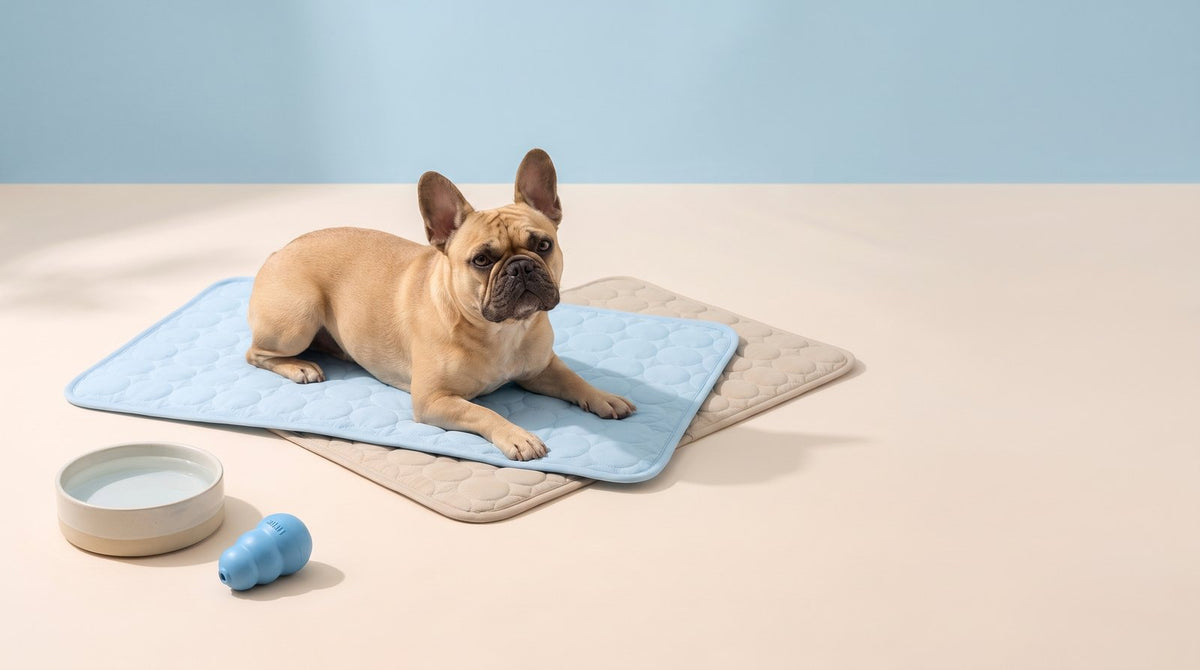
- Give them a cool place to lie. Tiles, a shaded patch of lawn or a gel-free cooling mat give your dog somewhere to stretch out and dump heat.
- Use fans and air-conditioning where possible, and close blinds on sun-facing windows.
Treats and play
- Freeze treats. Stuff a rubber toy with wet food or plain yoghurt and freeze it for a long, cooling activity.
- Set up a shallow paddling pool in the shade for water-loving dogs, and always supervise.
- Swap running games for brain games. Sniffing, puzzle feeders and short training sessions keep dogs busy without overheating them.
Grooming and planning
- Brush regularly to remove loose undercoat. Ask your groomer before shaving a double-coated breed, as the coat helps with insulation.
- Plan for heatwaves. Check the Bureau of Meteorology forecast, organise a cool room in advance, and know where your nearest emergency vet is.
Never leave your dog in a car
On a warm day the inside of a parked car can become dangerously hot within minutes, even with the windows down or parked in the shade. If your dog cannot come inside with you, leave them at home.
Know the signs of overheating
Heavy panting, thick drool, red gums, weakness, vomiting or collapse can all signal heat stress. If you see these signs, move your dog somewhere cool, wet their coat with cool (not icy) water, and call your vet. Our guide to heatstroke in dogs and cats covers the warning signs in more detail.
Dogs that need extra care in the heat
- Flat-faced breeds such as pugs, French bulldogs, British bulldogs, boxers and shih tzus
- Thick-coated breeds such as huskies, malamutes, chow chows and Newfoundlands
- Puppies and senior dogs, who regulate their temperature less well
- Overweight dogs
- Working breeds such as kelpies and border collies, who will keep going long after they should stop
- Dogs with heart or breathing conditions
How much water does a dog need?
A rough guide is around 50 to 60 ml per kilogram of body weight per day, so a 20 kg dog needs around a litre or more, and much more on hot days or after exercise. Make sure water is always available, use heavy or non-tip bowls, and refill them at least twice a day in summer.
Beach and water safety
- Bring fresh drinking water, as dogs that drink a lot of sea water can become unwell.
- Dry sand gets extremely hot in the middle of the day.
- Dogs with pink noses or thin coats can get sunburnt. Ask your vet about a pet-safe sunscreen.
- Not all dogs are strong swimmers. Watch them closely, and consider a dog life jacket for boats.
- Rinse off salt and sand after a swim.
Car trips and summer holidays
- Travel in the cooler parts of the day.
- Use air-conditioning, and sun shades on the rear windows.
- Stop every couple of hours for water and a short break in the shade.
- Never leave your dog in the car, even for a quick stop.
- If you are heading to the east coast, check our guide to paralysis ticks before you go.
Signs your dog is too hot
Watch for heavy panting that does not settle with rest, a wide, flat tongue, thick drool, red gums, lying flat and refusing to move, or stumbling. Move your dog somewhere cool straight away, wet their coat with cool (not icy) water, and call your vet if the signs do not settle quickly.
A simple heatwave-day routine
- 6 am: short walk, fresh water everywhere, blinds closed on the sunny side.
- 10 am to 5 pm: inside or deep shade, cooling mat, frozen treat, no exercise.
- After sunset: test the footpath, then a gentle walk if it has cooled down.
Cool activities for hot days
Hot days do not have to mean a bored dog. Swap running for low-effort brain work:
- Scatter feeding: hide a portion of dinner around a cool room for your dog to sniff out.
- Snuffle mats and puzzle feeders slow eating and keep the mind busy.
- Short training sessions: five minutes of new tricks indoors.
- Frozen lick mats with wet food or plain yoghurt.
- Chews for a calm, long-lasting activity.
Mental work can tire a dog out as much as a walk, without the heat risk.
Grooming for summer
Regular brushing removes the loose undercoat that traps heat, especially in spring when many dogs shed heavily. A professional groom can help thick-coated breeds. Shaving is not always the answer: a dog's coat protects against sunburn and, in double-coated breeds, helps with insulation. Ask your groomer or vet what suits your dog's coat type.
Outdoor dogs
If your dog spends time outside while you are at work, make sure they have deep shade that lasts all day, a well-ventilated kennel out of the sun, at least two large water bowls that cannot be tipped over, and a cool surface to lie on. On extreme heat days, bring them inside or arrange somewhere cooler for them to stay.
Keep reading
Frequently asked questions
What temperature is too hot to walk a dog?
There is no single number, because humidity, sun and surface temperature all matter. On days above the high 20s, stick to early mornings and evenings and always test the ground first.
Are ice cubes safe for dogs?
For most dogs, yes, as an occasional treat or in the water bowl. Avoid giving lots of ice to a dog that is already overheated. Cool them gradually instead.
Should I hose my dog down to cool them?
Wetting the coat with cool water and letting it evaporate in a breeze is a good way to help a warm dog. Avoid ice-cold water on a dog that is already overheated.
Is air-conditioning safe for dogs?
Yes. A comfortably cool room is one of the best things you can offer on a hot day. Just make sure your dog can also move to a warmer spot if they want to.
This guide is general information, not veterinary advice. If you're worried about your pet's health, please contact your vet.