Are Cat Water Fountains Worth It? Stainless Steel vs Plastic, Honestly Compared
An honest look at whether a water fountain is worth it for your cat, and what actually matters when you choose one.
Cat water fountains are everywhere, but are they worth the money, or is a regular bowl just as good? Here is an honest look at the benefits, the limits, and what to look for if you decide to buy one.
Why fountains appeal to cats
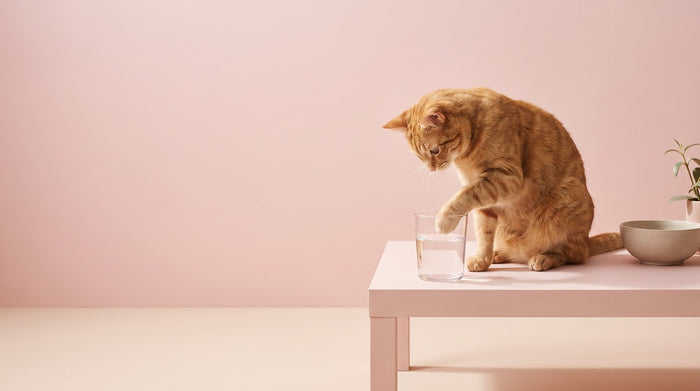
Many cats prefer moving water. It is one reason so many cats drink from a running tap or a dripping shower. A fountain keeps water circulating, which also keeps it oxygenated and cooler-tasting than water that has sat still all day.
For cats who under-drink, which is common, especially on a dry food diet, that extra appeal can help them drink more often.
The honest limits
- Not every cat changes its habits. Some cats are happy with a bowl and ignore a fountain completely.
- Fountains need cleaning. A dirty fountain is worse than a clean bowl.
- Filters need replacing, which is an ongoing cost.
The best approach is to add a fountain alongside a regular bowl, and see which your cat prefers.
Stainless steel vs plastic
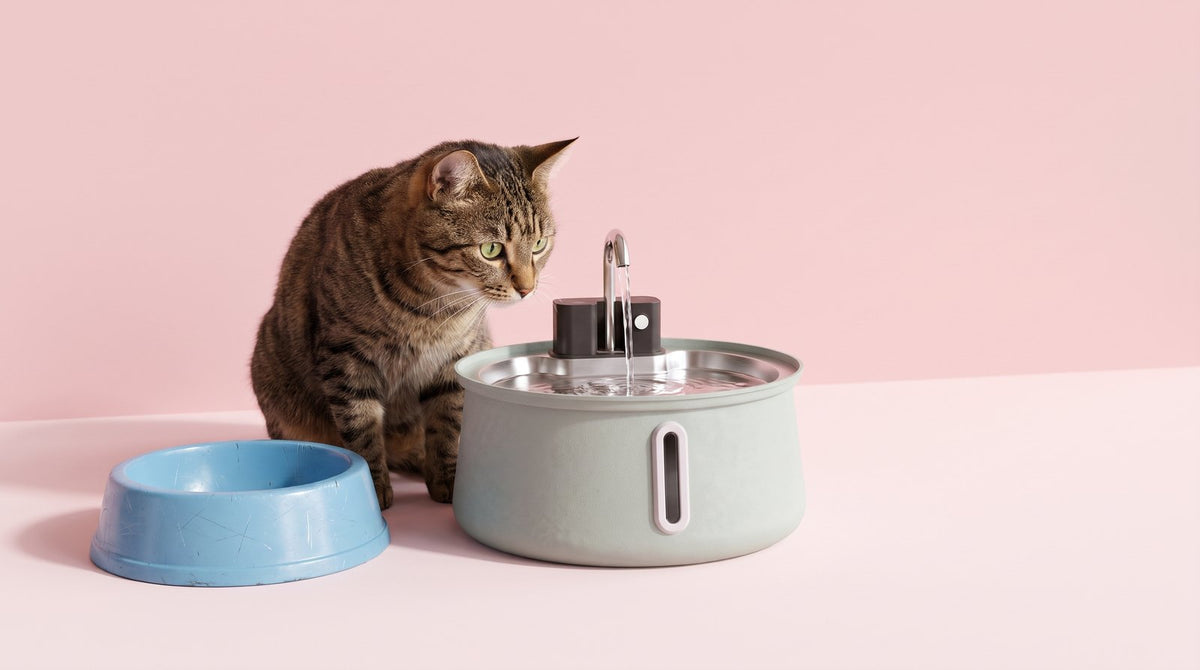
Plastic fountains are cheaper, but plastic scratches over time, and those scratches can hold bacteria and biofilm (the pink or slimy residue you sometimes see). Some vets also link dirty plastic bowls with feline chin acne.
Stainless steel does not scratch as easily, is simple to clean, does not hold smells, and is usually dishwasher-safe. For a bowl your cat uses every day, it is worth the upgrade.
Corded vs cordless
Most fountains plug into the wall, which limits where you can put them and leaves a cord for curious cats to chew. Cordless fountains run on a rechargeable battery, so you can place them in a quiet spot where your cat already likes to rest. Our cordless stainless fountain works this way.
What to look for
- A food-grade stainless steel bowl
- A quiet pump
- Multi-stage filtration to catch hair and debris
- Easy disassembly for cleaning
- Affordable replacement filters
- A water level window so you can see when to top up
Running costs
Expect to replace the filter roughly every four weeks. Our replacement filter packs come in 6 and 12-month sizes so you are not caught short.
The verdict
If your cat drinks little, eats mostly dry food, or likes drinking from taps, a clean stainless fountain is well worth trying. If your cat already drinks well from a bowl, a fountain is a nice extra rather than a must.
How fountain filtration works
Most fountains pass water through a multi-stage filter. A typical filter has a fine mesh or cotton layer that catches hair and debris, and a carbon layer that helps reduce odours and the taste of tap water. Some also include a resin layer for hard water. The pump then pushes the filtered water back up to the spout, keeping it moving all day.
Noise: what to expect
A good fountain should make little more than a gentle trickle. If a fountain is loud, the cause is usually low water or hair caught in the pump. Keep it topped up, clean the pump regularly, and place it on a flat, stable surface.
What a fountain really costs over a year
Beyond the purchase price, the main ongoing cost is filters. With one filter every four weeks, you need around 12 to 13 filters a year. With our 12-Month Pack that works out to about $5 a month for fresher water. A cordless fountain has no running cost on your power bill beyond recharging.
Which cats benefit most
- Cats on mostly dry food
- Cats who drink from taps, showers or glasses
- Senior cats and cats with kidney or urinary issues, on their vet's advice
- Multi-cat homes, where a fountain is a useful extra water station
- Cats home alone during the day
How to introduce a fountain
- Set it up in a quiet spot your cat already likes.
- Keep their old bowl nearby for the first week.
- Let your cat explore it on their own terms. Do not push them towards it.
- Try a gentle flow setting at first if your cat is nervous.
- Once your cat uses it regularly, you can move the old bowl to another room as a second water station.
Signs it is working
You may notice your cat visiting the water more often, larger clumps in the litter tray, or the water level dropping faster. Every cat is different, so give it a couple of weeks.
Fountain vs bowl: a quick comparison
- Water freshness: a fountain keeps water moving and filtered; a bowl needs refreshing at least daily.
- Appeal to cats: many cats prefer moving water, but some are happy with a bowl.
- Cleaning: a bowl is quicker to clean; a fountain needs a weekly clean and a filter every four weeks.
- Running costs: a bowl costs nothing; a fountain needs filters and recharging or power.
- Placement: a bowl goes anywhere; a corded fountain needs a power point, while a cordless fountain can go anywhere.
Is a cheap plastic fountain good enough?
A budget plastic fountain is better than no fountain if your cat loves it and you keep it very clean. But plastic scratches with cleaning, and those scratches are where biofilm builds up. Many owners find they replace cheap fountains within a year because of cracked parts, noisy pumps or stains that will not clean off. A stainless steel bowl and a quality pump usually last longer and are easier to keep hygienic.
Our take
We made our cordless fountain with a food-grade stainless steel bowl, a 4-stage filter and a rechargeable pump, because those were the things that mattered most when we looked at what cat owners struggled with. Whatever fountain you choose, the most important thing is that it is easy for you to keep clean.
Frequently asked questions
How do I get my cat to use a fountain?
Place it in a quiet spot away from the litter tray, keep the old bowl nearby at first, and give your cat time. Some cats take a few days to trust a new object.
Are fountains safe for dogs too?
Yes, for small dogs. Larger dogs usually need a bigger water supply.
Can a fountain replace the water bowl completely?
It can, but we recommend keeping at least one regular bowl too, so your cat always has a choice and a backup.
How often do I need to clean a fountain?
A full clean once a week, and more often in hot weather. Our guide to cleaning a cat water fountain covers it step by step.
This guide is general information, not veterinary advice. If you're worried about your pet's health, please contact your vet.