After the Bushwalk: A 5-Minute Tick and Grass Seed Check for Your Dog
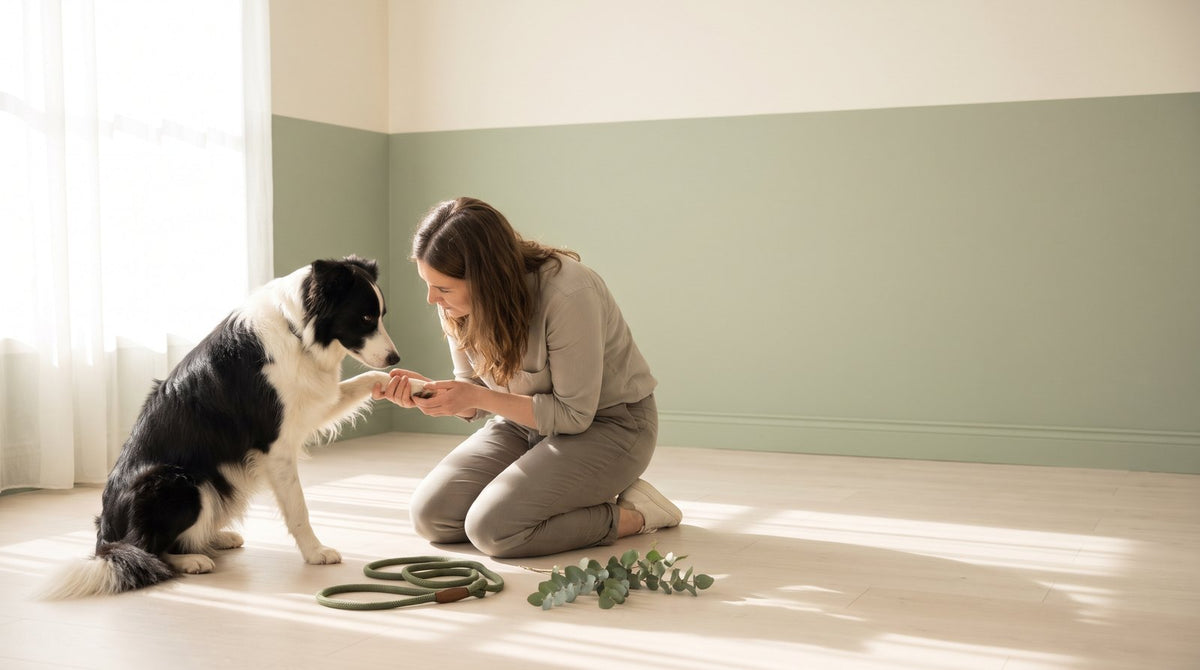
Bushwalks are one of the joys of summer with a dog. A quick five-minute check afterwards catches ticks, grass seeds and sore paws before they become a problem.
Australian bush, parks and coastal tracks are wonderful places to walk a dog. They are also where ticks, grass seeds, burrs and sharp sticks lie in wait, especially from late spring through summer. A quick routine at the end of every walk catches most problems early.
Before you go
- Check your dog's tick preventative is up to date.
- Pack water, a collapsible bowl and a small first aid kit, including a tick remover.
- Walk early or late on hot days, and stick to shaded tracks.
- Keep your dog on the track where you can, as long grass is where ticks and seeds hide.
- Check the rules: many national parks do not allow dogs.
The 5-minute check, head to tail
Do this before your dog gets back in the car, then again at home in good light.
- Head and face: run your fingertips over the muzzle, around the lips and eyes, and over the top of the head.
- Ears: check inside the ear flaps and the folds at the base of the ear. Grass seeds often end up here.
- Neck and collar: remove the collar or harness and feel underneath. Ticks love this area.
- Chest, front legs and armpits.
- Paws: spread the toes and check between them and around the pads.
- Body and belly: work slowly along the sides, back and underneath.
- Back legs, groin and under the tail.
Use your fingertips rather than just looking. Small ticks and seeds are much easier to feel than to see, especially in long or dark coats.
Grass seeds: the summer hazard many owners miss
Grass seeds with sharp, arrow-shaped tips are common across Australia in late spring and summer. Their shape lets them work their way into the skin, ears, eyes and nose, and they can travel deeper over time.
Watch for these signs after a walk:
- Ears: sudden head shaking, holding the head tilted, or pawing at an ear
- Eyes: squinting, a watery or red eye, or rubbing the face
- Nose: sudden, repeated sneezing, sometimes with a nosebleed
- Paws: licking between the toes, limping, or a small swelling or hole between the toes
Grass seeds in ears, eyes and noses usually need a vet to remove them safely. Do not try to dig them out yourself.
Paws after the bush
Check for cuts, splinters, cracked pads and burrs. Rinse sand and dirt from between the toes. On hot days, look for signs of burnt pads: redness, blisters or limping. Rinse with cool water and see your vet if a pad is damaged.
Snakes
Snakes are active in warm weather, especially near water and long grass. Keep your dog on a lead in snake country and on the track. If you think your dog has been bitten, keep them as still and calm as possible and go to a vet immediately, even if they seem fine at first. Signs can include sudden weakness, vomiting, dilated pupils, trembling, collapse and blood in the urine.
Back home
- Do a second, thorough tick search in good light.
- Brush the coat to remove seeds and burrs.
- Offer water and let your dog rest somewhere cool.
- Wash the lead, harness and car blanket if they picked up seeds or burrs.
- Check again the next day. Ticks can be easier to find once they have started to swell.
Protecting your dog through the season
Your vet-recommended tick preventative is essential in tick areas. Clipping long coats shorter for summer makes checks faster, especially around the feet and ears. Some owners also use a plant-based repellent before walks, such as our flea & tick spray, as an extra layer alongside their vet treatment.
When to see the vet
- Any signs of tick paralysis, such as wobbly back legs, a change in bark, coughing or laboured breathing
- Sudden head shaking, squinting or sneezing that does not settle
- Limping or a swelling between the toes
- Any suspected snake bite
What to pack in your walking kit
- Water and a collapsible bowl
- A tick remover tool and fine tweezers
- A small towel
- Saline or clean water to rinse eyes or paws
- A crepe bandage (useful for first aid on the way to the vet)
- Poo bags
- Your vet's number and the nearest emergency vet saved in your phone
Water safety on the trail
Creeks and waterholes look inviting on a hot day, but still or slow-moving water can contain blue-green algae, which is highly toxic to dogs. Avoid letting your dog swim in or drink from water that looks green, scummy or has a paint-like film, and carry fresh water so they are not tempted. In northern Australia, keep dogs away from water where crocodiles may be present, and always follow local signs.
Long-haired and double-coated dogs
Ticks and seeds are much harder to find in a thick coat. Work in sections, parting the fur with your fingers down to the skin. A wide-toothed comb followed by a fine comb helps. A summer trim around the feet, ears and armpits makes every check faster.
Make the check a habit
The easiest way to never miss a check is to tie it to something you already do. Do the first quick check at the car before your dog jumps in, and the full check at home before dinner. Reward your dog with a treat at the end so they look forward to it. Within a few weeks, most dogs happily stand still for it, and you will know their coat so well that anything new stands out straight away.
Frequently asked questions
How long should a tick check take?
About five minutes for most dogs, a little longer for long-haired breeds. It gets faster with practice.
Are grass seeds really dangerous?
They can be. Seeds can migrate under the skin or deep into the ear canal and cause infections or abscesses. Early removal by a vet is much easier.
Should I trim my dog's paw fur?
Trimming the fur between the toes in summer makes it harder for seeds to lodge and easier for you to check.
This guide is general information, not veterinary advice. If you're worried about your pet's health, please contact your vet.